
What Is the Ranger Roll Packing Method?
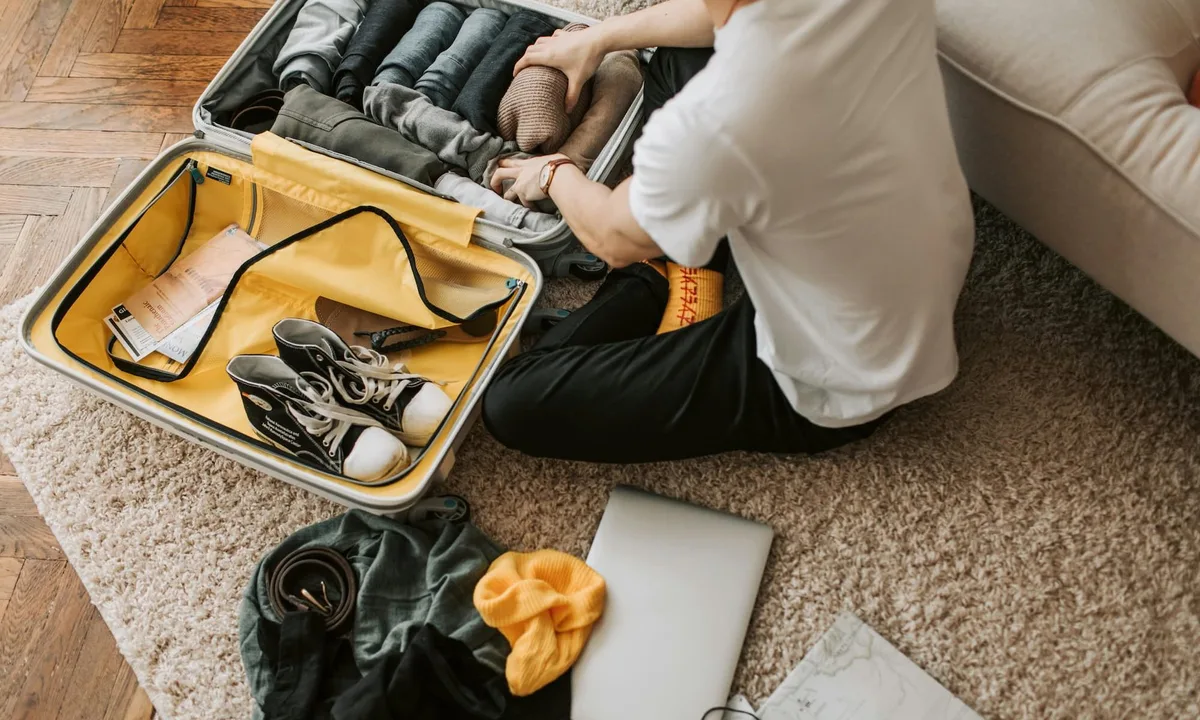
No matter if it is a tactical ruck for a rugged backcountry trek or a week’s worth of clothes squished into a carry-on, you are using up precious space. Standard folding results in the creation of gaps and wrinkles and turns your bag into disarray the second you remove the first item. To pack tactically, you need to not only “throw out” the fold but also learn to use today’s tried-and-true method of rolling to pack your clothes correctly. The Ranger Roll packing method completely changes how you think about the volume of luggage and converts bulky clothing into compact, self-contained bricks that can’t fall apart.
What is the Ranger Roll Packing Technique?
Ranger Roll is a disciplined packing method of compressing clothing items into a compact, secure shape. Unlike traditional rolling that can easily unravel inside a backpack when moving, the Ranger Roll method creates a locking cuff that holds the clothing under tension permanently.
Military Heritage of Compact Packing
The Ranger Roll technique was developed by elite military units, such as the U.S. Army Rangers, as a necessity in the operational environment of a soldier in the field who has to carry days’ worth of gear, food, and clothing all packed into one rucksack. It is a military rolling method.
Standard folding creates a thick, box-like item, leaving unused packing volume in all shapes of bags (round). By tightly rolling their gear, soldiers can pack 2x the actual amount of clothes into their rucks, providing them the ability to be prepared for unexpected changes in weather without having to pack additional weight.
Ranger Roll Structure
The Ranger Roll is made with a unique construction technique. To create one of these rolls from a normal T-shirt, you must create a small pocket in the hem by folding back a portion (3″ to 4″) of the bottom hem (the hem is on the bottom of the T-shirt) inside out.
After smoothing out any creases or wrinkles in the T-shirt, hold the sleeves towards the center of the shirt until you have created a rectangular shape.
Next, roll the T-shirt towards the collar as tightly as possible, starting with the collar and working down to the bottom of the T-Shirt.
Once you have rolled the T-shirt to the bottom of the sheet, pull the hem of the T-shirt (the part of the T-shirt that you created a right to start the Ranger Roll) back out over the top of the rolled T-shirt. This creates a pulling tension that holds the fabric in place to create a cylinder shape of the rolled T-shirt.
Ranger Rolling Is an Effective Organization Method
Although Ranger rolling adds about 30 seconds to every item compared to the traditional fold, using this method when packing for travel is a huge advantage for a serious traveler or outdoor enthusiast.
Maximizing Luggage Space and Eliminating Wasted Areas Within Your Luggage
Using the traditional fold method creates small, triangle-shaped air pockets between your clothing. The Ranger Roll removes air from the clothing fibers that are rolled before they are rolled into a finished cylindrical shape. When rolled this way, the finished rolls fit perfectly beside each other or end to end, allowing you to access the complete interior of your bag.
Preventing Clothes From Coming Undone or Becoming Disorganized
You have probably experienced this before: a “luggage avalanche” happens when you pull out one shirt located at the bottom of your suitcase. Your entire stacked pile of clothing collapses. Once rolled, each roll is independently secured by the fabric cuff, helping them stay together as solid blocks. You can throw them into your bag, drop them on the ground, or reach into your bag and rummage through them, and they will still hold together.
High-Tension Rolling Will Eliminate Wrinkling Through Rolling
Many people think that rolling clothing will create deep creases. In fact, the main reasons clothing develops deep creases are because of friction, loose shuffling, and sharp folds. By placing your clothing flat on the table before you roll it and keeping enough tension on the fabric throughout the roll, you will eliminate the sharp creases found in traditional folds. Since your clothing will remain secure until you get to your destination, there will be far less friction between the fabric and itself while travelling.
Why You Should Hire a Professional for Your Packing Needs
Packing for high-volume traveling, corporate relocations, or large-scale commercial trips presents unique packing problems that can be challenging to figure out by yourself. This is when the expertise of a professional commercial organizer or travel consultant can bring incredible value to your project.
Saves You Time on Packing for Large Amounts of Gear
If you are trying to pack for a full filming crew, an entire athletic team, or an extended family relocation, hand-rolling hundreds (even thousands) of items into one small area can take an incredible amount of time. A professional organizer will quickly and efficiently pack large quantities of inventory so that you can save time.
Correctly Caring for Your Clothing
Using a high-tension roll (Ranger Roll) to pack cotton, nylon, and synthetic fabrics is acceptable; however, if you use a Ranger Roll to pack delicate fabrics like silk, structured jackets, or high-end wool, you could damage your clothing and/or change the shape of the fabric. This is where an expert travel packing methods consultant will know exactly what needs to be rolled and what should be placed in specially designed garment bags.
Conclusion
Ranger Rolling is more than a packing technique; it serves as a guiding principle for packing clothes efficiently and space-saving packing techniques. The design of the Ranger Roll uses the stretch of fabric when packing to create a self-locking container that allows you to take advantage of lost space, maintain an organized kit, and travel with less than you ever have before. Whether you are hiking the backcountry or flying cross-country, packing as a Ranger will have you moving with ease and confidence for whatever lies ahead on your journey.
FAQs
What Type(s) of Clothing Work Best With the Ranger Roll?
Clothes that are made from durable fabrics and do not have stiff/loose seams work best for Ranger Rolling; examples include t-shirts, socks, underwear, athletic clothing, and light-weight jeans/cargo pants.
Will the Ranger Roll Damage Stretchable Fabrics?
No. Synthetic fabrics like spandex, polyester blends, and nylon bounce right back into shape.
Can You Use This Packing Method for Heavy Winter Jackets?
It is not recommended for bulky outerwear or down jackets. Thick coats are too rigid to roll tightly and lack the flexible hems needed to create the locking cuff; use a vacuum compression bag instead.
Does the Ranger Roll Eliminate Wrinkles?
It minimizes them significantly compared to losing folding by removing fabric friction. However, for 100% wrinkle-free results on formal wear, lightweight linen or dress shirts should still be packed flat or hung in a garment bag.
How Much Space Can You Actually Save Using This Method?
On average, travelers report saving 30% to 40% of their luggage space compared to traditional flat folding.